
WHY AVOCADOS ARE GOOD FOR YOUR HEART
Eating two or more servings of avocado a week may cut your risk of cardiovascular disease by 16 per cent, according to a new study.
Researchers at Harvard University analysed data from two large US studies between 1986 and 2016. Researchers followed more than 41,000 men (aged 40-75 years) and more than 68,000 women (aged 30-55 years).
Those who ate two or more servings of avocado each week had a 16 per cent lower risk of cardiovascular disease and 21 per cent lower risk of coronary heart disease compared with those who avoided or rarely ate the fruit. (A serving of avocado was defined as half an avocado – about 80g.)
Replacing half a serving a day of egg, butter, cheese, margarine or processed red meat with the same amount of avocado was associated with a 16 per cent- 22 per cent lower risk of cardiovascular disease. But substituting half a serving a day of avocado for the same amount of olive oil, nuts and other plant oils showed no extra benefit.
Overall diet is what counts.
In the study, researchers found that those who had higher intakes of avocado also had better diet quality, eating more fruit, vegetables, whole grains and nuts. This shows that no single food like avocado is the solution to preventing heart disease. But having an overall healthy, balanced diet with a variety of nutritious foods is key to promoting good heart health.
Overall diet quality matters, and it is equally important to eat less salt, food and drinks containing high amounts of free sugars and fatty foods.
If avocados are not to your liking, you could consider including peanut butter, almonds, cashews, hazelnuts, peanuts, rapeseed oil, olive oil, olives and seeds, such as pumpkin and sesame seeds, in your diet instead, as these are also great sources of monounsaturated fats – the heart-healthy fat found in avocados.
Even though a healthy diet is important for preventing heart disease, being active, not smoking, and reducing your alcohol intake can also help to maintain good heart health, which should not be overlooked.
This article is republished from The Conversation
THE HEALTH BENEFITS OF CAULIFLOWER
Cauliflower has been elevated to near cult status in the vegetable world, thanks to its versatile flavour and texture, which is great news because this once humble brassica has a range of health benefits.
Cauliflower is a member of the cruciferous family of vegetables, which includes Brussels sprouts, broccoli and kale. Once upon a time, cauliflower was considered bland and boring, and was usually served boiled and smothered in cheese sauce.
These days there are so many interesting ways to cook and eat this nutritious vegetable. Blitz it into crumbs in a food processor to use as a base for pizza, as a replacement for rice or mash, to sprinkle on top of pies and lasagnes, and to include in stir-fries. Or try cutting it thickly into ‘steaks ‘to pan-fry, grill or barbecue. You can even roast it whole covered with a balsamic or miso glaze.
HEALTH BENEFITS
Blood function– Cauliflower is a source of folate which is vital for healthy blood cells, and vitamin K which helps with blood clotting. Immunity– Folate is also important for a healthy immune system, and cauliflower provid s good amounts, along with vitamin C. Happygut– A cup of cooked cauliflower provides 3g of your daily fibre, which is essential for a happy digestive system and healthy gut bacteria.
Heart health– The potassium in cauliflower
can help keep your blood pressure from getting too high. Studies have shown that increasing potassium in the diet can reduce blood pressure and cardiovascular disease. Cancerprevention– Like other brassicas, cauliflower contains many phytonutrients
– plant-based compounds known to have anti-inflammatory and cancer-protecting properties. Purple varieties also contain anthocyanins and orange varieties carotenoids. 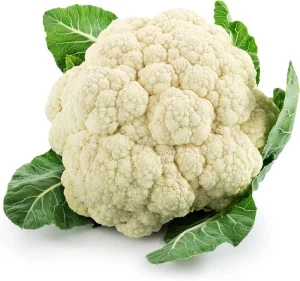
Author: Caroline Trickey and Jenny de Montalk HFG
WHAT RETIREES WANT AS
THEY AGE–Retirement Villages need to evolve with the population
New Zealanders’ expectations for retirement are shifting rapidly, but are retirement villages responding fast enough? Newsroom Contributor
The decision to take that step into the next life stage can be confronting, but it can also be overwhelmingly positive with the new doors that it opens. The latest census data released in early October offered a statistical glimpse at the changing face of New Zealand. Captured in 2023, the census showed signs of a few extra wrinkles with a staggering 1.1million New Zealand residents now aged older than 60 – the latest reminder of how quickly our population is ageing.
We also now have a smorgasbord of languages and cultures in our communities as almost 30 percent of usual residents in the country were born overseas.
Census data generally tends to move slowly, offering only five-year snapshots of where we are and where we’ve been. The insights sometimes almost seem to catch us by surprise because of the lag, but these trends have been a long time coming and give us an important indication of where we’re headed and how fast we’ll get there.
Population projections released by the Ministry of Housing and Urban Development last year suggest these trends aren’t slowing and we can expect to have as many as 1.5 million New Zealanders aged over 65 within the next 30 years.
Professor Ngaire Kerse, a Gerontology expert at Auckland University say the massive positive in this data is that it shows New Zealanders are living longer. “Our longevity in New Zealand continued to increase even through Covid when life expectancy went down in the rest of the world,” says Kerse. “But we are now at a pretty critical place in our
demographics, where the number of people aged over 85 is growing really fast. That’s the baby boomers who are transitioning through into older age .” What the data doesn’t fully capture is the fact that many New Zealanders are now living far healthier lives into their golden years, remaining active and engaging in hobbies that keep them on the move.
Kerse says older Kiwis shouldn’t give up on this just because they’re getting older. “I’m always encouraging people who choose a retirement village to stick with the bowling club, stick with the local library and find reasons to actually go out. Those activities make you drive or walk – and all of those things keep you connected,” she says.
“Older people want to be able to stay local and maintain connections with their family and with society which means people don’t feel as isolated and lonely. They still have access to all the things that have always kept them connected, which numerous studies have shown is integral to living a healthier life in your older age. As the population ages, we will see more people eventually reach the stage of needing care due to medical emergencies or failing health. This move can be traumatic for some as they confront the reality of having to leave their home, but there are ways to lessen the impact.
Research has found the challenge of moving into care could be lessened if medical professionals and families undertook advance planning and gave older adults an opportunity to be part of the decision making process . The majority of participants reported that the decision of a move was done by their GP and family members, and it was not their decision, implying that they didn’t want to come to a residential care facility. It also suggested that volition also meant taking into consideration the unique preferences of the person who would eventually move into care.
In order to meet the diverse physical, mental, social and cultural needs, a holistic and collaborative approach is important. One set of policies doesn’t fit all, hence flexibility in caring culture and policy is essential to ensure the wellbeing of older adults .
The population of New Zealand may be getting a little older and changing in a few ways, but there is an opportunity for businesses to respond now and listen to voices contributing to that change. Doing that now could make a massive difference in the decades to come.
SCIENTISTS DEVELOP A PLASTIC THAT DISSOLVES AT SEA
As delegates arrived in South Korea to thrash out a UN treaty to cut plastic pollution, Japanese researchers this week hailed a new “environmentally friendly” plastic that dissolves in sea water.
Made using supramolecular chemistry, the material was developed by scientists at the RIKEN Centre for Emergent Matter Science. They claim that it’s just as tough as existing plastic, despite taking 10 hours to break down in sea water. When placed in soil, the material disappears within 10 days, they said, leaving behind phosphorus and nitrogen.
The non-toxic plastic alternative is made of ionic monomers – large organic molecules – that are linked together by reversible salt bonds. “With this new material, we have created a new family of plastics that are strong, stable, recyclable, can serve multiple functions, and importantly, do not generate microplastics,” said lead researcher Takuzo Aida.
It’s hoped that the material will one day replace existing single-use plastics, which take centuries to break down. As ever, the challenge will be producing it at scale and encouraging industries to embrace it. The need is urgent: plastic production is set to double by 2050.